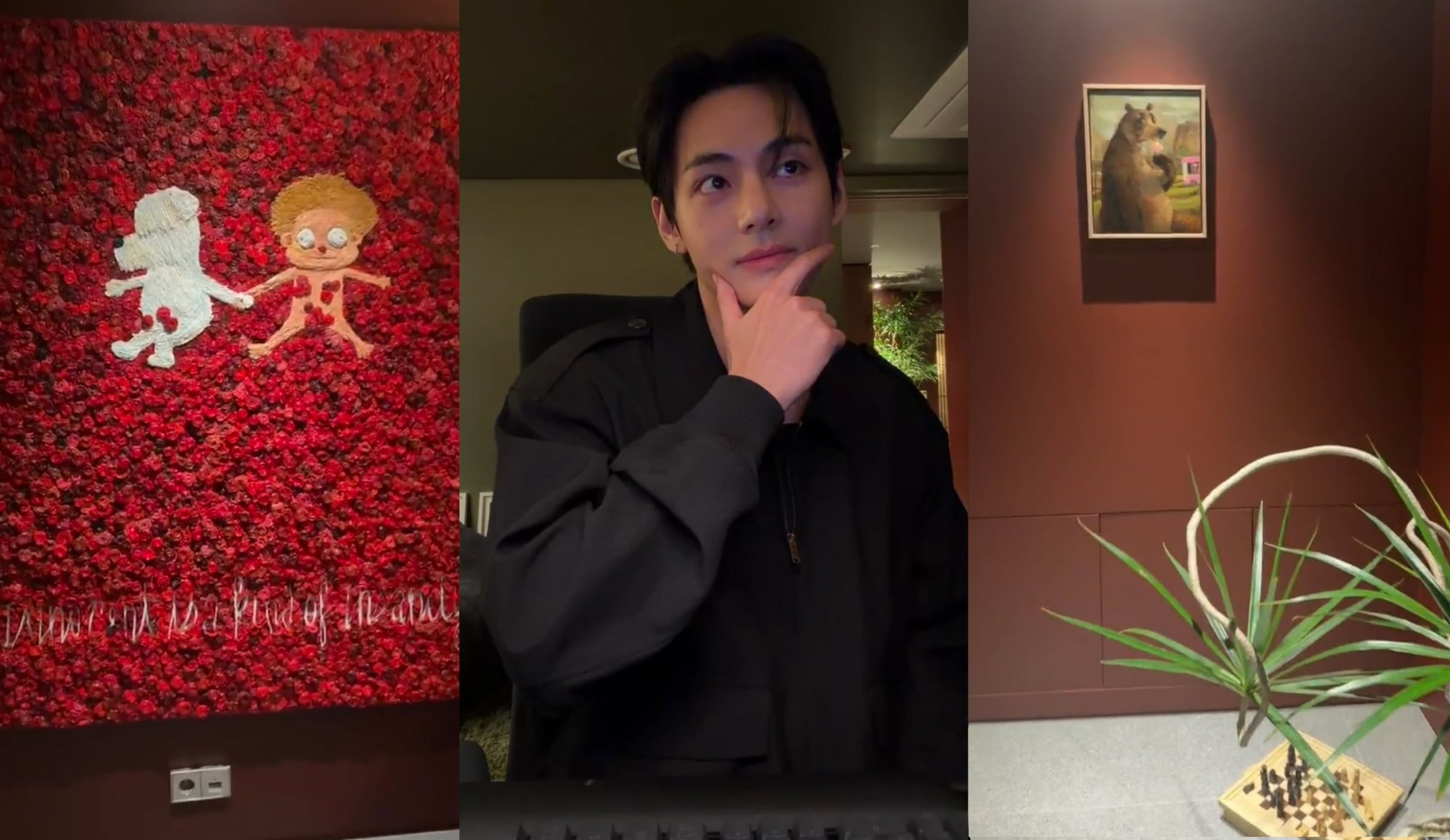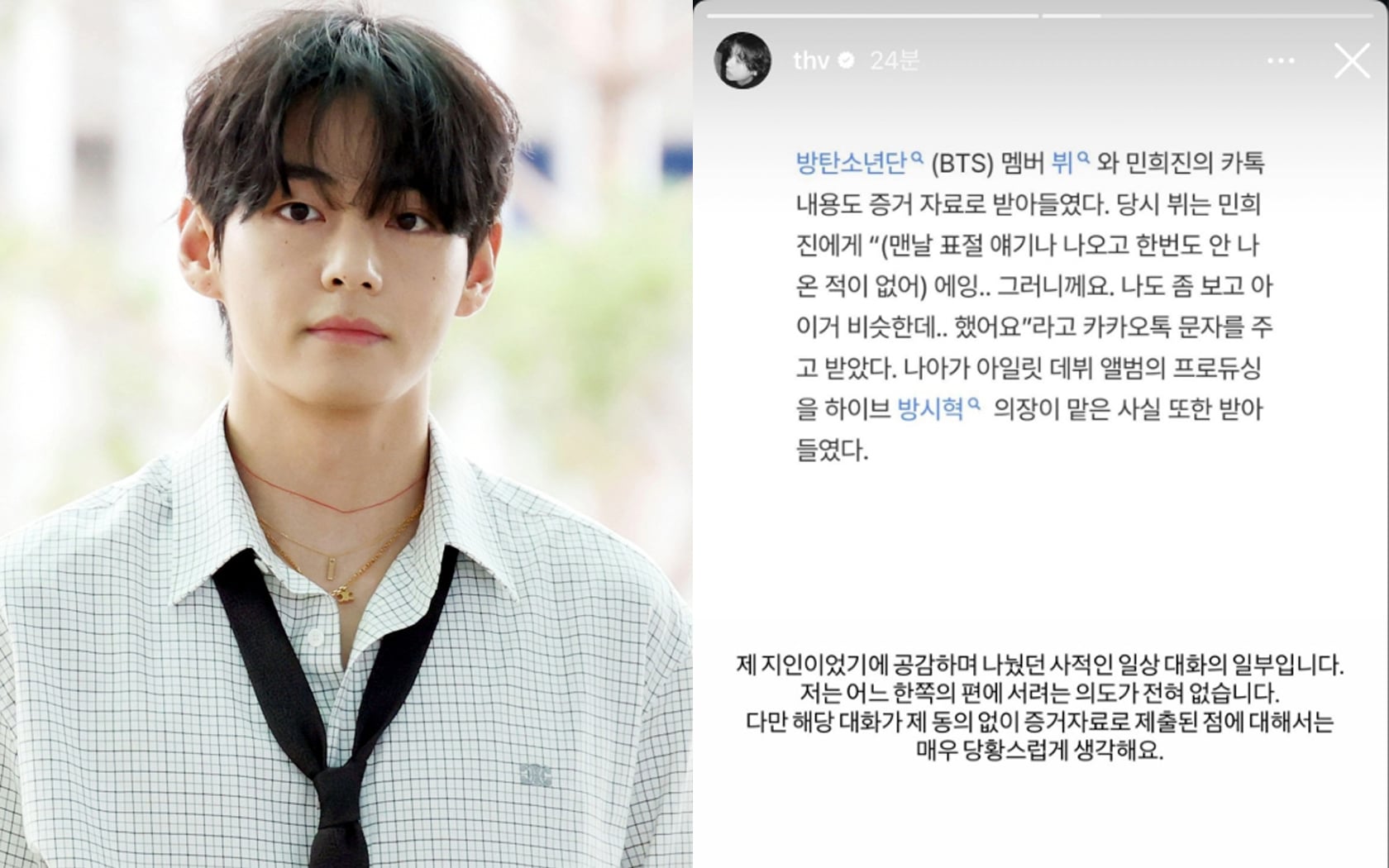

In the polished world of K-pop, where every interview and public appearance is meticulously managed, idols have traditionally avoided unfiltered commentary on sensitive issues, internal delays, or personal concerns. But lately, a subtle shift has been taking place. Livestreams — once mainly used for casual fan interactions — are emerging as unexpected forums where idols can speak with more honesty and nuance.
Rather than formal press releases or scripted announcements, artists are increasingly choosing real-time broadcasts like Weverse Live to share their thoughts, address misunderstandings, and connect with fans in ways that feel more personal. These unscripted spaces allow idols to express frustration, explain context, and even push back against behavior they find invasive or harmful.
One of the most notable recent moments came from BTS leader RM. During a Weverse Live session, he addressed questions about BTS’s long-awaited comeback and candidly explained that the group’s return was delayed — a reality fans had speculated about for months. He also acknowledged that there were things he wanted to say but couldn’t fully articulate due to industry and contractual boundaries.
That honesty — admitting both what he could share and what he couldn’t — resonated deeply with fans. Instead of offering a neatly packaged explanation, RM gave viewers insight into the tension between transparency and the limitations that idols often navigate behind the scenes. By doing so on a platform that felt direct and unfiltered, he illustrated how livestreams can become spaces for sincerity even within constraints.
Another powerful example of this shift came from BTS member Jungkook, who also used a Weverse livestream to discuss something deeply personal: his privacy and safety. Following several trespassing incidents at his residence — including multiple attempted break-ins that required police intervention — Jungkook didn’t just post a formal statement. Instead, during a livestream (held around his birthday), he openly discussed the alarming events and addressed them in real time, directly with fans and viewers. On the stream, he explained how one intruder was caught on CCTV and emphasized the seriousness of privacy invasion, warning that anyone attempting to trespass could be locked in and handed over to authorities. In doing so, he didn’t only convey his frustration; he set clear personal boundaries, underscoring that even idols deserve dignity and security beyond their public image.
This moment showed fans something profound: idols aren’t just performers — they are people with real concerns, fears, and limits. And livestreams give them a platform where they can assert those boundaries in a way that feels authentic and direct.
Livestreams strip away much of the PR polish. Instead of having formally scripted lines to deliver, livestreams allow idols to speak at length and with more freewill expressing their personal feelings without the distortion of media filters. They’re able to express uncertainty or emotional fatigue, acknowledge delays, frustrations, or misunderstandings. Signal disagreement without explicitly naming conflicts, and still be able to reassure fans while upholding their contractual limits. And since these happen via a fan-centered space, it’s less confrontational and therefore less likely to escalate into a big controversy. Sure, agencies may still monitor these broadcasts, but it’s less likely to be distorted in any shape, way, or form.
Livestreams are becoming a middle ground—where idols don’t fully “speak out,” but they also don’t stay silent. And in an industry built on control, that subtle shift may be one of the most significant changes yet.
As idols continue to navigate fame, contracts, and personal expression, one thing is clear: the quiet pauses, careful words, and unsaid truths shared during livestreams are shaping a new kind of dialogue—one that fans are paying close attention to.
SEE ALSO: “Why cry over an unknown singer?” Mexican TV show sparks backlash over BTS remarks