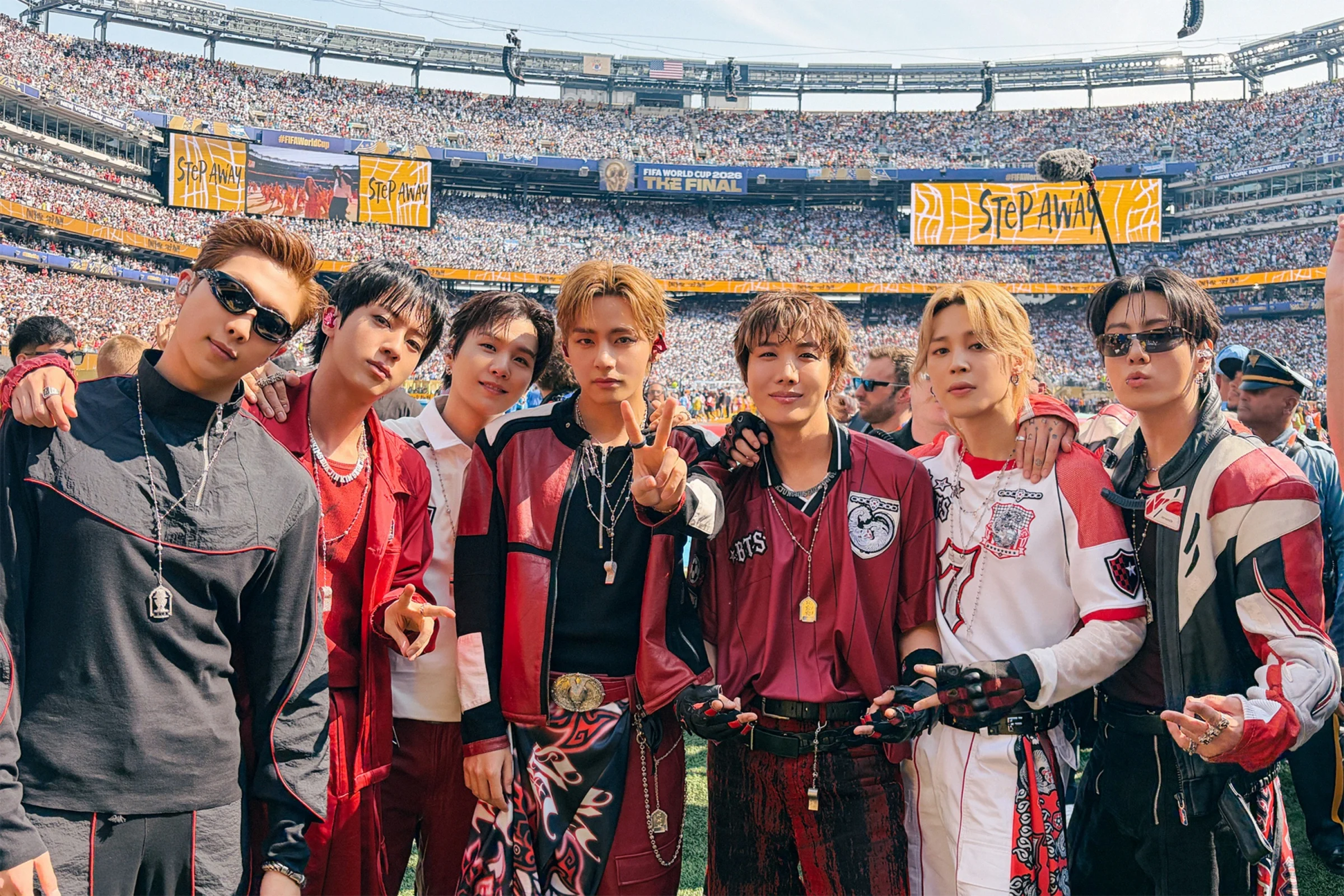
The K-Pop fan community is in turmoil following news that a group of Vietnamese fans were scammed out of 167 million VND (Vietnamese Dong) in a ticket purchase scam targeting a BTS concert. Notably, many suspect that the seller and the Facebook page used for the transaction are also linked to a scam involving the purchase of Taylor Swift concert tickets two years ago.
In recent days, the K-Pop fan community has been shaken by news that a group of Vietnamese fans were scammed out of a large sum of money when purchasing tickets for a BTS concert . With amounts of 91 million VND, 40 million VND, 24 million VND, and 12 million VND respectively, the group was scammed out of a total of 167 million VND in the past month.
Specifically, the fan group (let’s call them N.’s group) transacted with a seller named VHTT through a Facebook page specializing in buying concert tickets on behalf of others. According to N., the group decided to trust this Facebook page because a member of the group had previously successfully purchased concert tickets and had also met VHTT in person.
After sensing something unusual, N.’s group contacted the Facebook page to request a refund. After being repeatedly postponed for a month, the group decided to post a complaint to warn others.
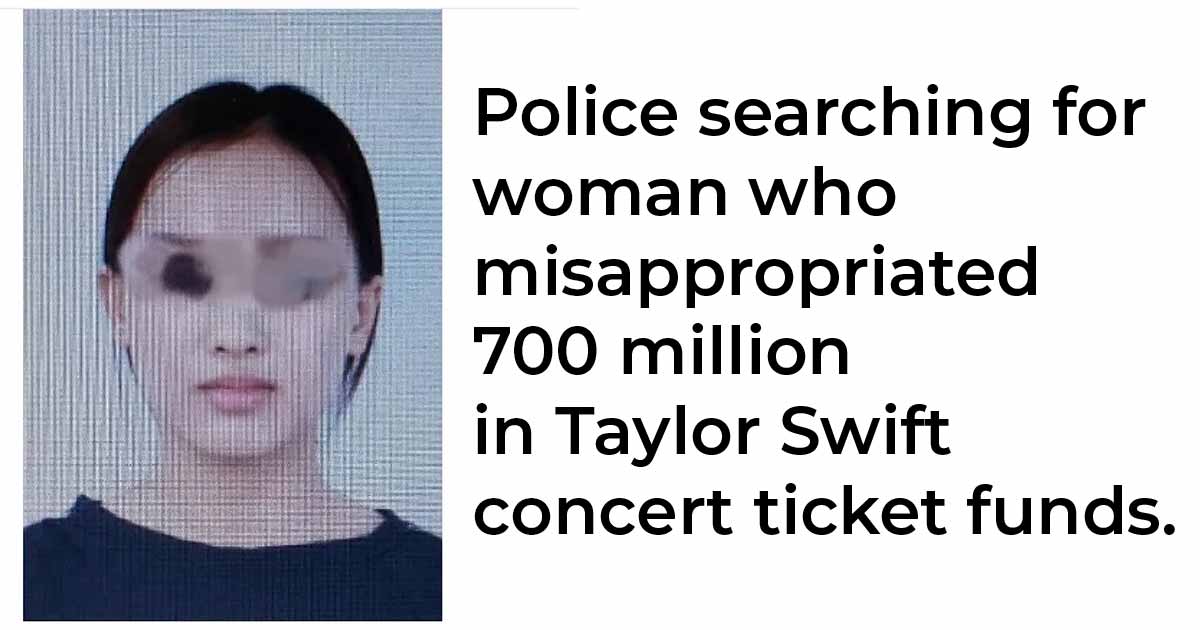
Notably, N.’s group also suspected that the seller of VHTT (Vietnamese Traditional Music and Television) was Tran Khanh Vy – an individual previously sought by the Hoan Kiem District Police (formerly) in Hanoi for embezzling over 700 million VND from the purchase of Taylor Swift concert tickets in 2024. Most speculated that Khanh Vy had not yet been arrested, had changed her identity to VHTT, and was continuing her fraudulent activities against N.’s group and many other victims in this case.
The Facebook page that facilitated this transaction for N.’s group of friends has also been involved in several scandals. The fan community warns that this page frequently delays ticket refunds, successfully purchases tickets but fails to issue them at concerts , and is suspected of defrauding new customers by using the money to refund previous customers…
According to N.’s group of friends, since the BTS concert hasn’t taken place yet, they can’t pursue the matter thoroughly. Instead, they are searching for other victims of cultural and artistic abuse to gather evidence.
Concert ticket scams, often disguised as ticket purchasing services ( ticket camping ), are a common occurrence within the fan community. In online groups and forums, individuals and organizations exploit fans’ trust to steal money, ranging from gift cards worth a few hundred thousand dong to concert tickets costing tens or even hundreds of millions of dong.
To minimize the risk of losing money, the fan community should keep the following points in mind before making any transactions:
1. Prioritize buying tickets yourself if possible.
2. Prioritize in-person transactions ; verify the validity of the ticket code before transferring money.
3. If you have to transact online , always check if the seller has proof of credibility ( check legit ) . This is usually found in the pinned section of their profile, including feedback messages from previous customers and clear bank transfer receipts.
4. Before buying tickets, you should join relevant groups and post a question to see if anyone has ever transacted with this seller. Additionally, you should search for the seller’s name in these groups to ensure they haven’t received any “transaction warnings.”
5. Seller information must match: The more accurate the name, account number, phone number, Facebook name, or other accounts (Zalo, Viber, etc.), the higher the likelihood of trustworthiness. To be even more certain, request the seller to send a photo of their Citizen Identification Card (CCCD) before the transaction.
6. “Red flags” to avoid: Fake accounts ( clones ), accounts created only a few days ago, accounts with few friends, locked profiles, or accounts with avatars that are AI images or images from the internet. Also, do not trust accounts that lead you to transact with a third party.